

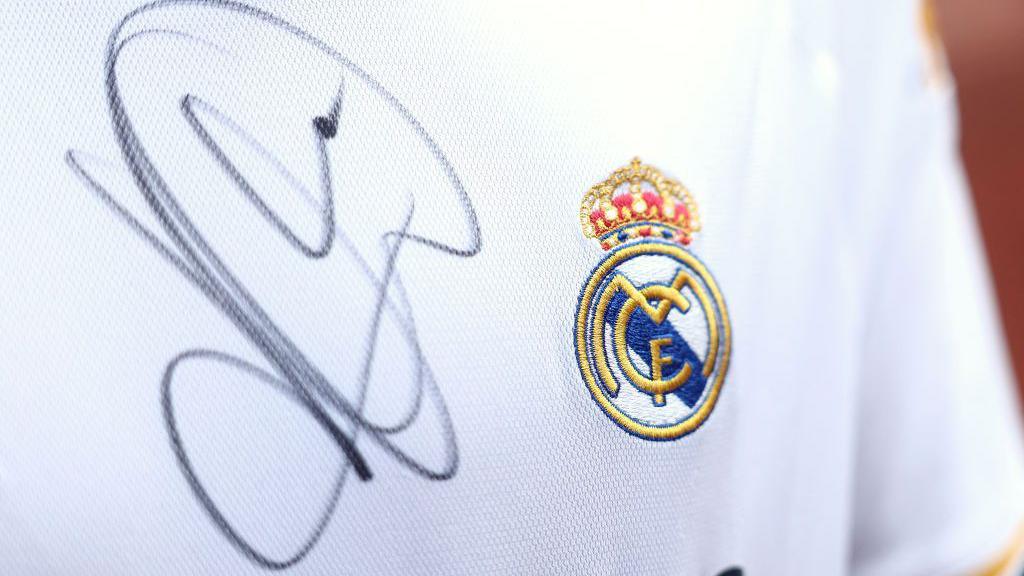
Outside the training ground. At the traffic lights. While filling up at a gas station. Within a hotel's entrance. Outside their family home.
The places where soccer players and managers are confronted for signatures can vary from the mundane and understandable to the intrusive and unacceptable.
Critically, there exists two distinct kinds of signature hunters. On one hand, you have the genuine fans seeking a keepsake to cherish for a lifetime, but also commercial dealers amassing a collection of merchandise to be listed for sale on the internet.
The hunters earning an income from sourcing autographs are often seasoned operators who approach athletes with organised packs of jerseys and pictures, with the goal of secure as many signatures as possible in a short window.
But how do the footballers who are targeted feel, and are some of these encounters becoming excessive?
In What Ways Do Signature Seekers Engage With Stars?
When a prominent coach was filmed declining to autograph a jersey after a individual accosted his car recently, he defended himself against a backlash by stating he felt "vulnerable" and asserted some "individuals do not act for the proper motives".
In another instance, a celebrated manager furiously berated a cluster of hunters who came up to him in a parking lot close to his residence, lambasting their career choice and stating, "Don't come again - I won't tell you again. What are your dreams?"
The athletic collectibles industry is estimated to be worth billions of pounds globally each year, highlighting the substantial wealth commercial seekers can earn by regularly seeking out celebrities.
Clubs sometimes have to intervene and protect athletes, including banning commercial dealers from conducting business outside training grounds, deploying security staff at nearby gas stations where hunters know players stop, and in certain instances helping escort them to their residences.
One well-known player was filmed telling individuals to stop following him home after they had done so on consecutive days.
And earlier this month, a defender was caught on video comically scribbling half-hearted autographs on a stack of shirts handed to him by a hunter who approached him at his vehicle's window.
"Athletes become really fed up with it," states a ex-top-flight champion.
"I've encountered it numerous times. They wait near the TV studio and request that I autograph a dozen identical shirts simultaneously. I questioned it the other day and said 'you're going to sell these on the internet, correct'?"
"It is incredibly irritating that the intention is to make money out of players. The decision lies with the person to make a judgement call in the moment."
"Should we decline, then the spurned party will often insult the person who turned them down and publicly shame them online."
"This behavior is unacceptable as genuine fans must get fed up with these imposters who are doing it for the incorrect motives."
"Such individuals spoil it for kids and genuine fans."

How Do Players Feel About Professional Sellers?
Most sportspeople are pleased to make a fan's day by spending a brief instant with them and signing an autograph.
But when regular hunters appear, confrontations can happen, especially if their behaviour is perceived as aggressive.
"You encounter the individuals who are eager to get your autograph but also want to spend a bit of time with you and establish a personal link," notes a former England international. "That is perfectly acceptable, but then you also get the ones that you see constantly."
"A portion of them are quite savvy with the way they do it - they have their children approach, or they bring their mates."
"There have been times when arguments have happened. I remember one where a man attempted to argue with me - he would present you with twenty of the same card, and you would either refuse to sign the entire stack or your signature would become less enthusiastic as it continued because you were aware he was going to resell them."
In some instances players can sympathise with the reasoning while not accepting rudeness.
"He would frankly admit he was going to flog them, but from his perspective that would cover the cost of his tickets," the athlete continues. "Most fans are truly polite and appreciative. They are never disrespectful until they fail to receive what they want."
Is a Portion of Genuine Fans Acting More Entitled?
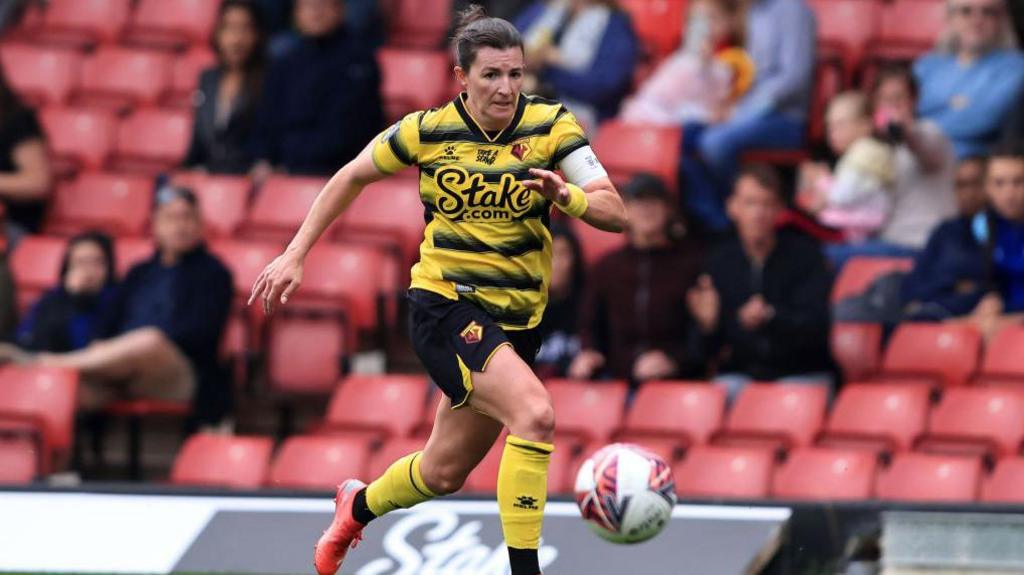
During the rise of the women's game, fans have traditionally had closer access to players than in the men's top flight. For the most part, those interactions are amicable, secure, and courteous.
But some players believe interactions have become increasingly rude and lacking in respect in the past few years.
One national team player disclosed she was approached for autographs by some of the identical supporters who had earlier jeered her during a game.
"There does seem to have been a change in the recent period - there seems to be more of a sense of entitlement with certain supporters now," says a ex-professional athlete.
"Supporters having greater proximity to players has been a big part of the uniqueness of the women's game, and when I was playing we always wanted to make time for them," she adds.
"More recently, some individuals feel because they've paid for a ticket they are deserve the attention of the players around the game."
"No player wants to snub the fans, but there are times and places, and potential security risks need to be taken into account."
"There has to be reciprocal courtesy and it should be managed in a controlled, safe manner."
"You have to still facilitate those interactions so that aspiring players don't lose heart and think 'my heroes don't care about me'."
Supporters Face the Danger of Buying Fakes Online
Items signed by top names and then posted for sale by autograph hunters can fetch tens of thousands of dollars.
But not all items of signed memorabilia bought will turn out to be authentic.
In certain instances, web shops are set up by scammers who create fakes by purchasing products before adding a fake signature - either by completing the task personally or employing the services of expert handwriting copiers.
One factor fraudulent dealers can get away with their crimes is because autograph verification is an non-standardized procedure in many countries. Most items come with a proof of genuineness, but that document is only as legitimate as the organization which issues it, and those entities can be entirely unverified.
Several years ago, a man was jailed after earning more than £1m from selling fake


